

In the field of wildlife conservation, we often tend to focus on numbers, maps, and technical reports. Yet raw data alone has never saved a species: it is the actions inspired by that data that make the difference.
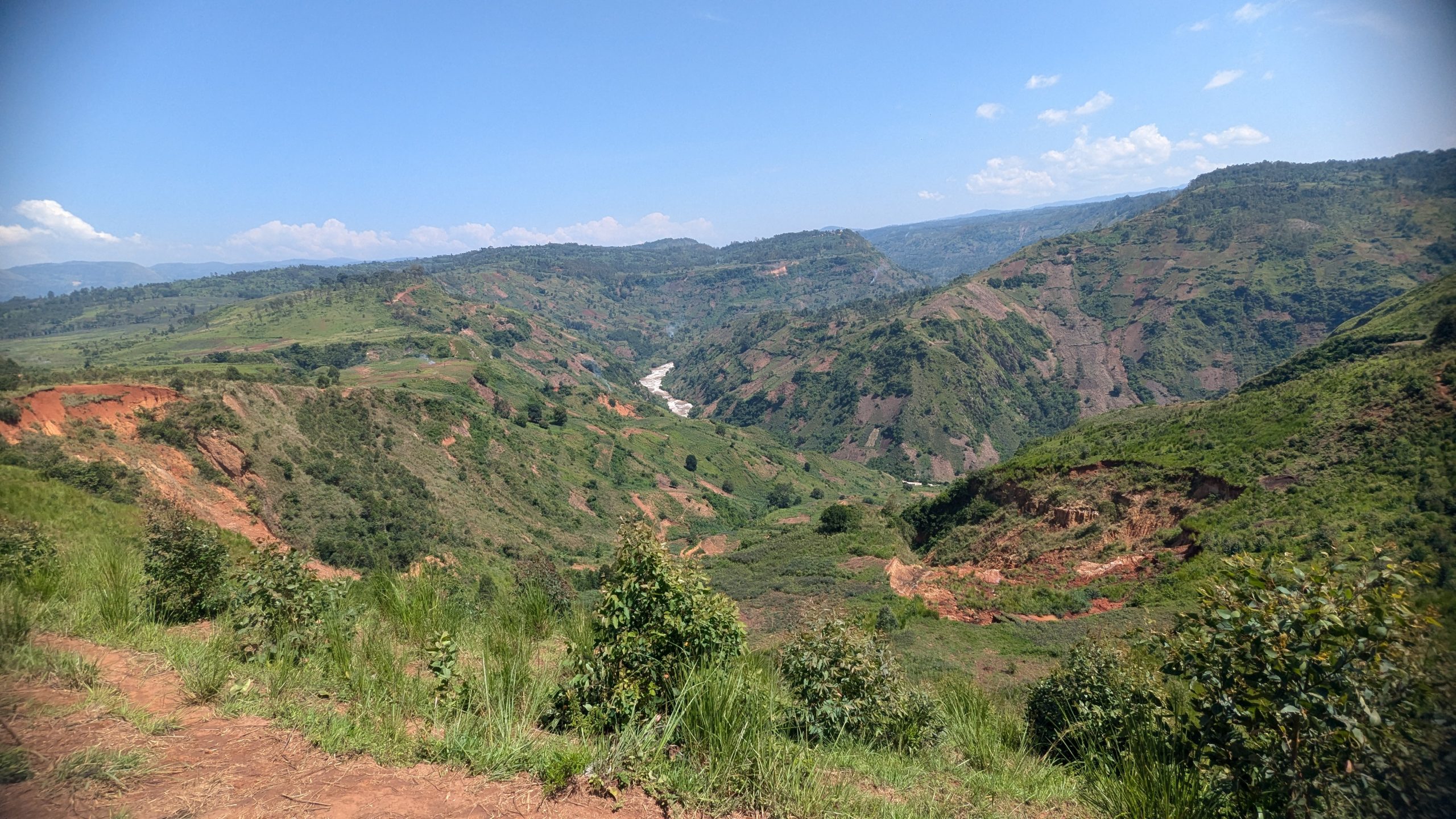
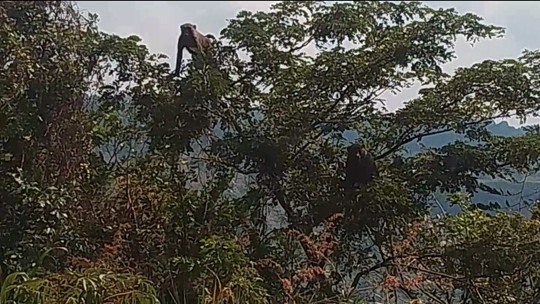
In a recent census organized by Primate Expertise (PEx) in the steep escarpments of Ngomo-Nyangezi, 42 olive baboons (Papio anubis), divided into two fragile groups, were identified. Behind this number lies a critical reality: every day, these primates face growing pressures from human-wildlife conflict when they enter farmers’ fields in search of food.
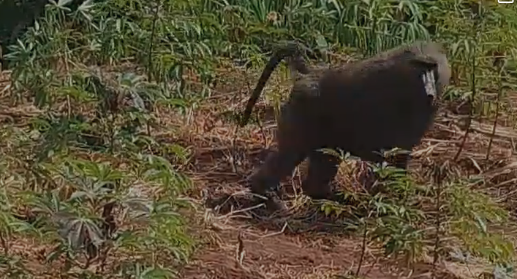
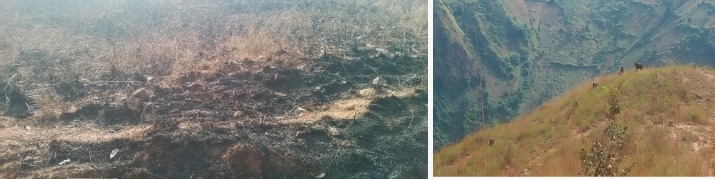
Identifying these threats is an essential first step. Turning this knowledge into concrete protective measures is where our true mission begins.
Field Trackers on the Front Line of Protection
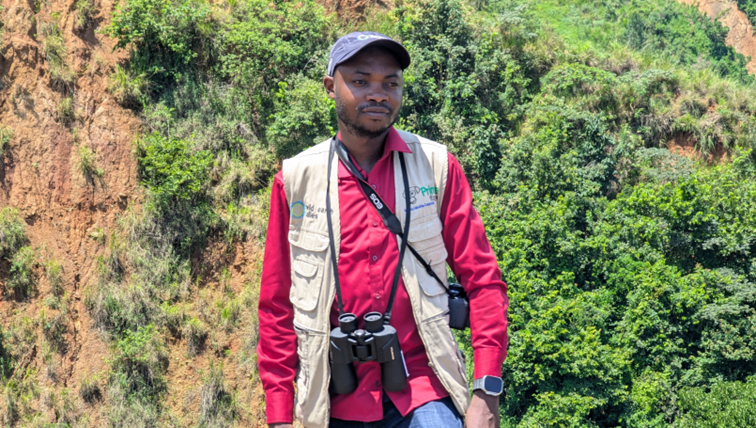
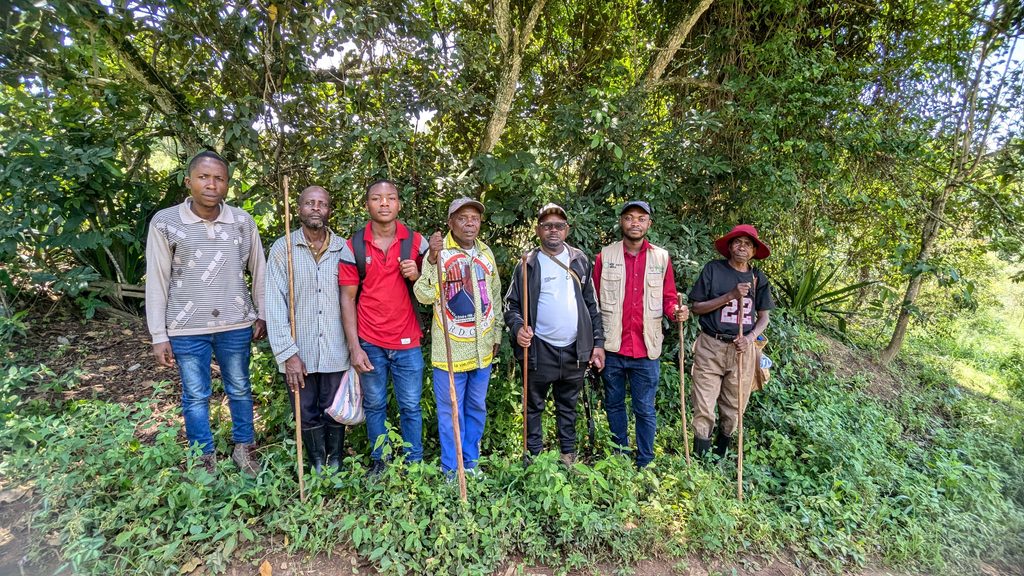
Every day, PEx field teams trek across the hills of Nyangezi to monitor these two baboon groups. With strategic support from Wild Earth Allies, this ecological monitoring goes far beyond simple counting: it is about preserving the balance of an entire ecosystem.
When our biomonitoring teams map movements, document habitat use, or spot an emerging threat, they are not just filling out data sheets. They provide the indispensable field intelligence needed to protect both wildlife and the livelihoods of local populations.They provide the indispensable field intelligence needed to protect both wildlife and the livelihoods of local populations.
Degraded Habitat Restauration & Community Livelihoods
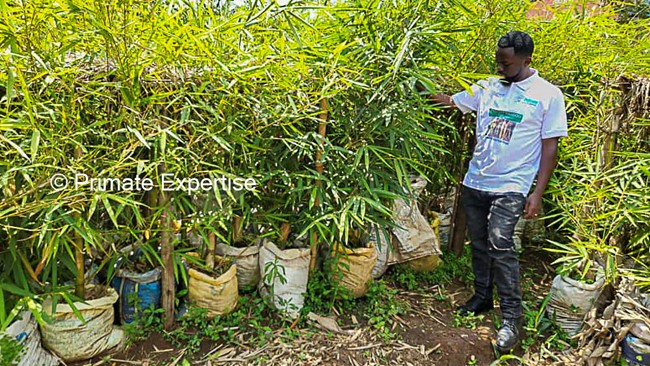
Through our Ape Trees® and Bamboo projects, PEx actively restores degraded habitats where olive baboon populations coexist with local communities. To sustain these reforestation efforts, PEx established community-run nurseries dedicated to propagating native seedlings. Although recent transplanting campaigns successfully engaged local landowners and farmers, raised awareness alone is no longer enough to protect the Ngomo escarpments. Urgent, collaborative action is required to ensure a flourishing future for the area’s vulnerable olive baboon population.
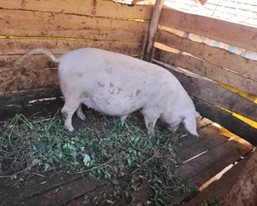
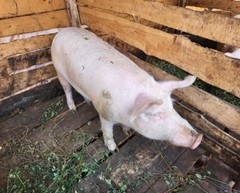
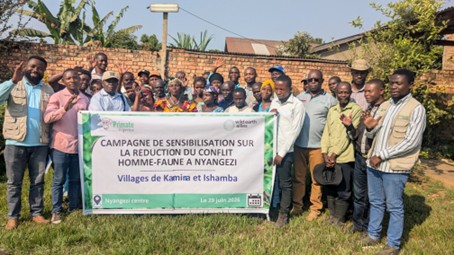
To complement habitat restoration, PEx also addresses community livelihoods by distributing pigs as alternative livestock and by raising awareness. This initiative provides a sustainable economic resource for families living near baboon habitats, directly reducing reliance on bushmeat, and helping ease pressures on local wildlife.
The Path Forward: Balanced Coexistence
This scientific evidence is not an end in itself; it is a call to action. Protecting the baboons of Ngomo-Nyangezi cannot happen in isolation. It requires:
- Continuous Biomonitoring: Maintaining our trackers’ presence on the ground to quickly detect threats and prevent tensions.
- Community Engagement: Collaborating directly with neighboring farmers to design crop protection measures that safeguard their harvests while sparing the baboons.
- Capacity Building: Continuing to train and support young researchers and field guides in the region.
Together, let us transform every field observation into knowledge, and every piece of knowledge into concrete impact on the ground.