
This newsletter aims to:
- Promote a Community-centered Approach: Demonstrate the effectiveness and sustainability of our conservation model, which places local communities at the heart of the action.
- Strengthen Credibility: Present concrete results and a multidimensional impact (environmental, social, economic) to consolidate partners’ trust
- Mobilize Support: Encourage continued engagement to support the expansion of projects with high ecological and social value.
COMMUNITY PILLAR: Sustainable Livelihoods for Conservation
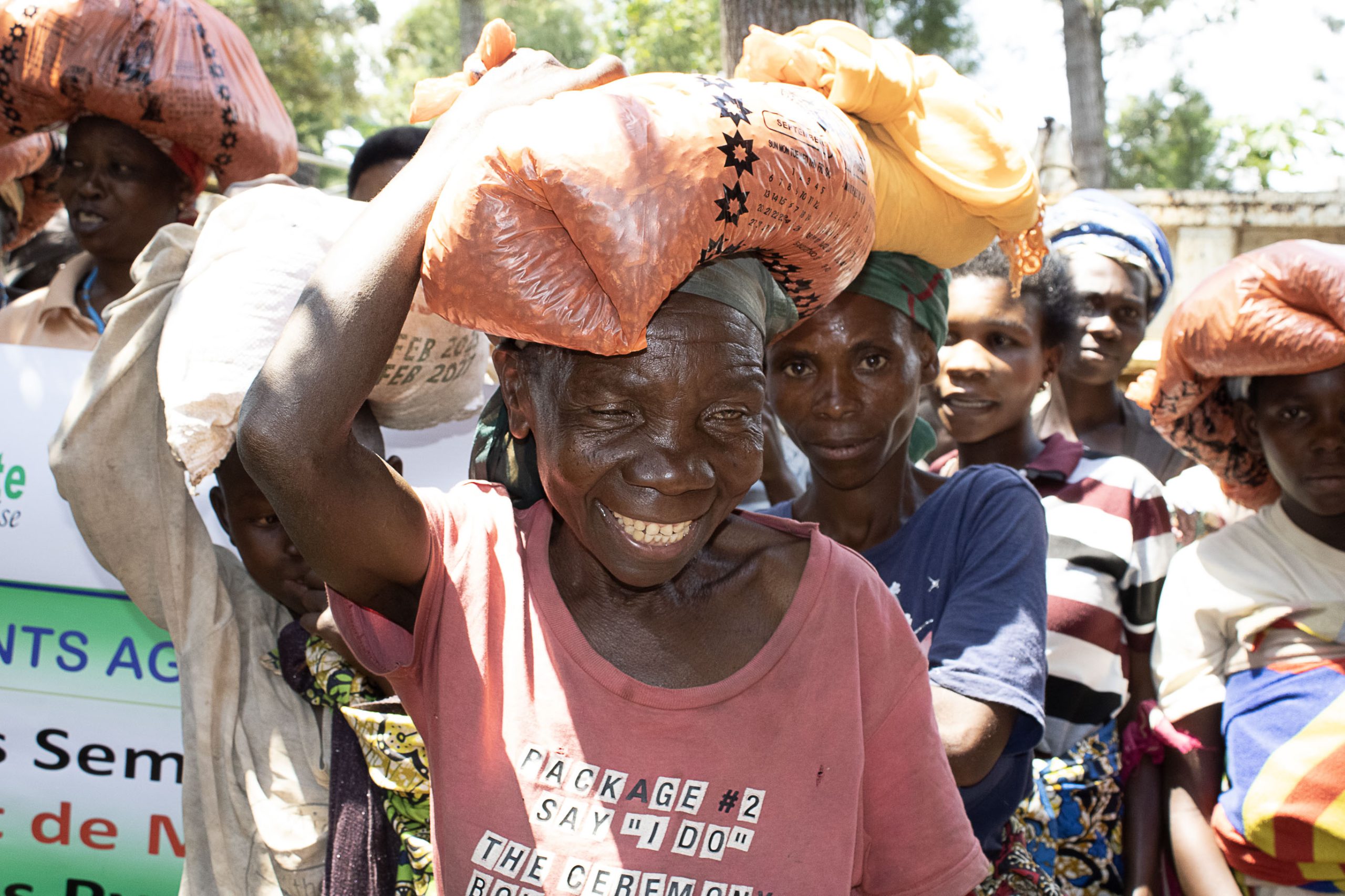
The involvement of local communities is the cornerstone of sustainable conservation. In October, our initiatives strengthened the livelihoods of local populations, thereby reducing their dependence on resources from protected areas.
- Food Security and Autonomy of Pygmy Communities Around Kahuzi-Biega National Park
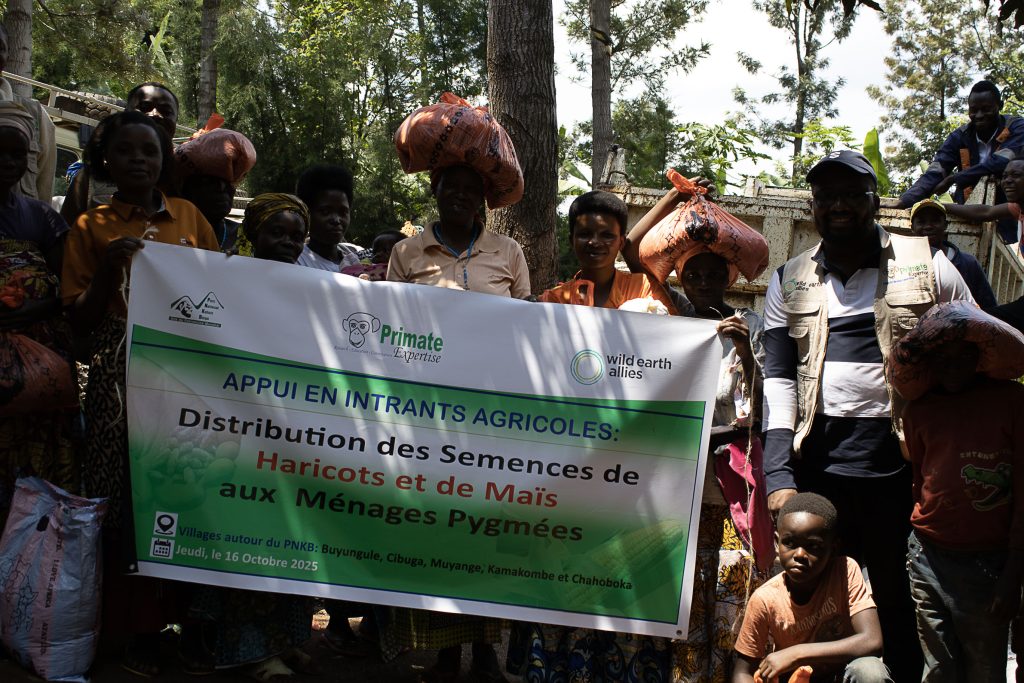
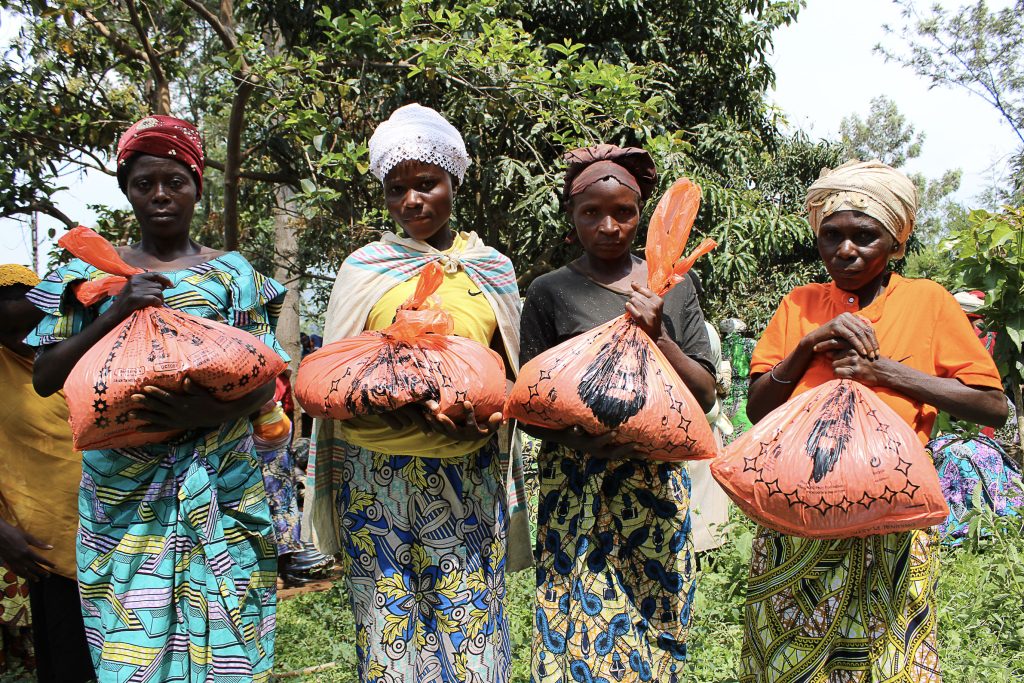
Around Kahuzi-Biega National Park (KBNP), Primate Expertise has strengthened its commitment to the resilience of Pygmy populations:
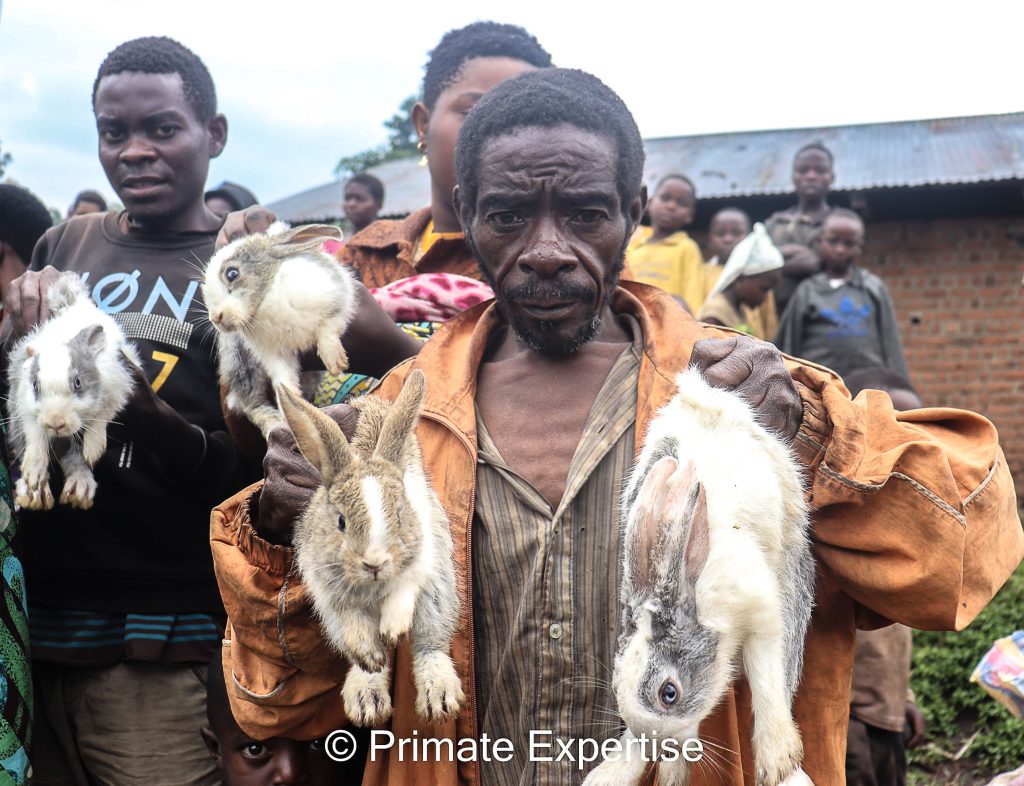
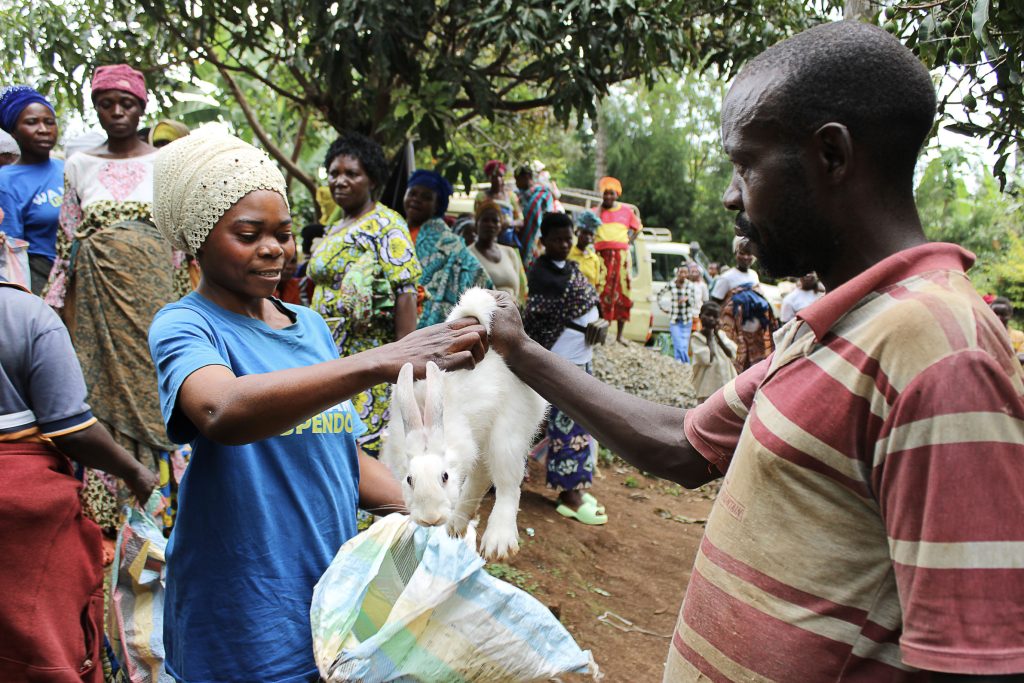
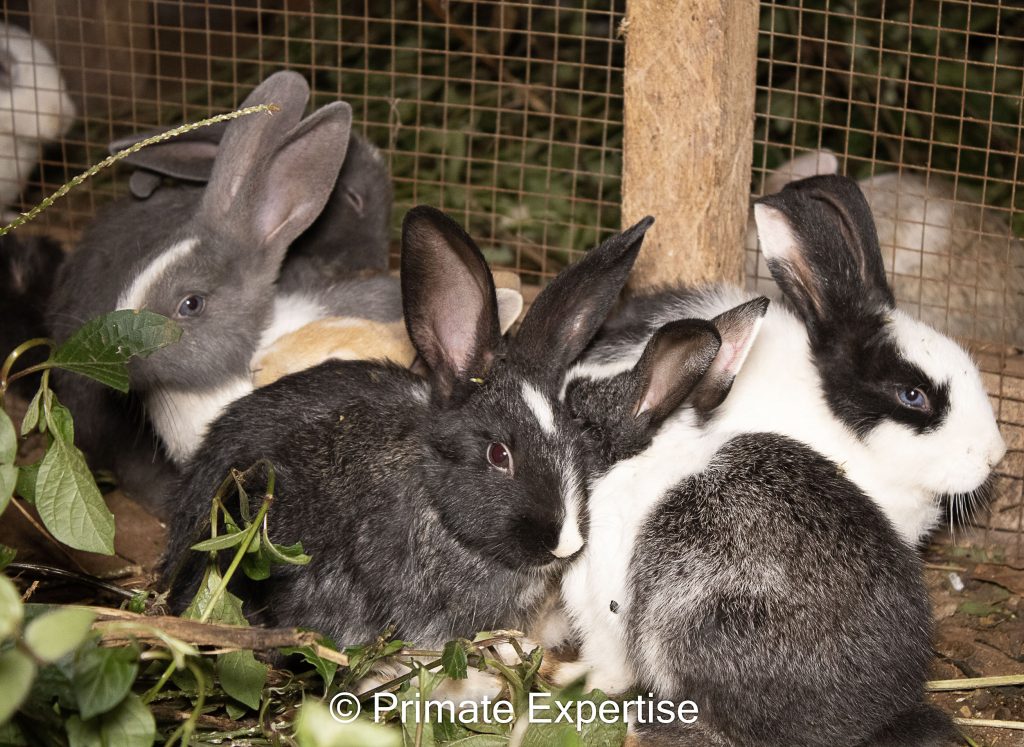
- Livestock Distribution: Pygmy households received rabbits to develop a small livestock operation, an alternative source of protein and potential income.
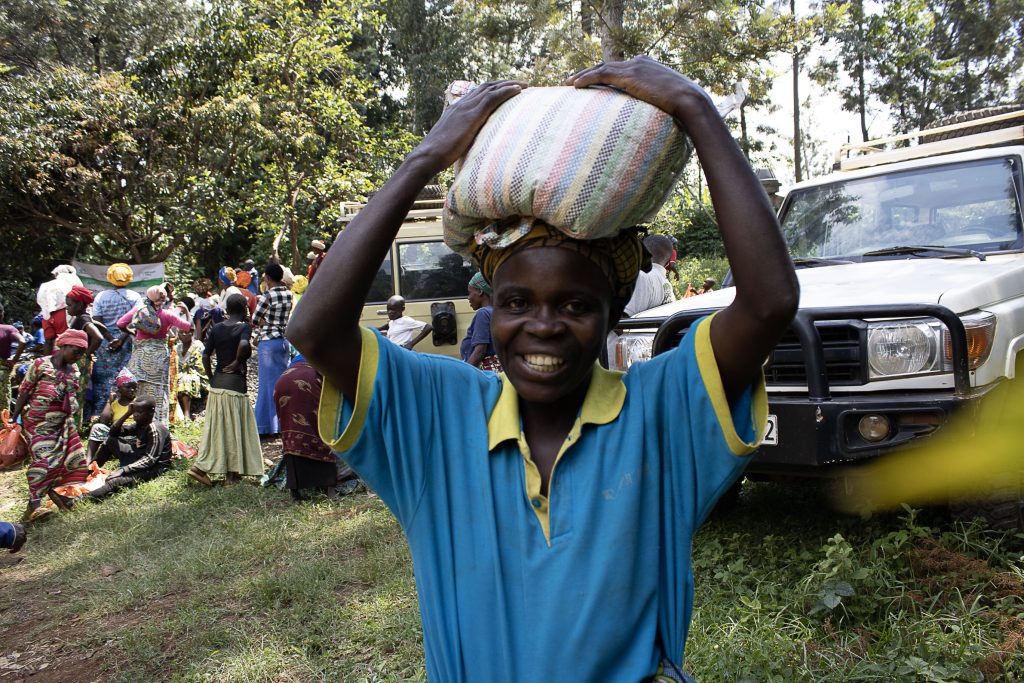
- Agricultural Support: In anticipation of the quarterly growing season, bean and maize seeds were distributed to secure agricultural production and discourage the exploitation of Park resources for survival.
2. Beekeeping: Synergy Between Conservation and Trade
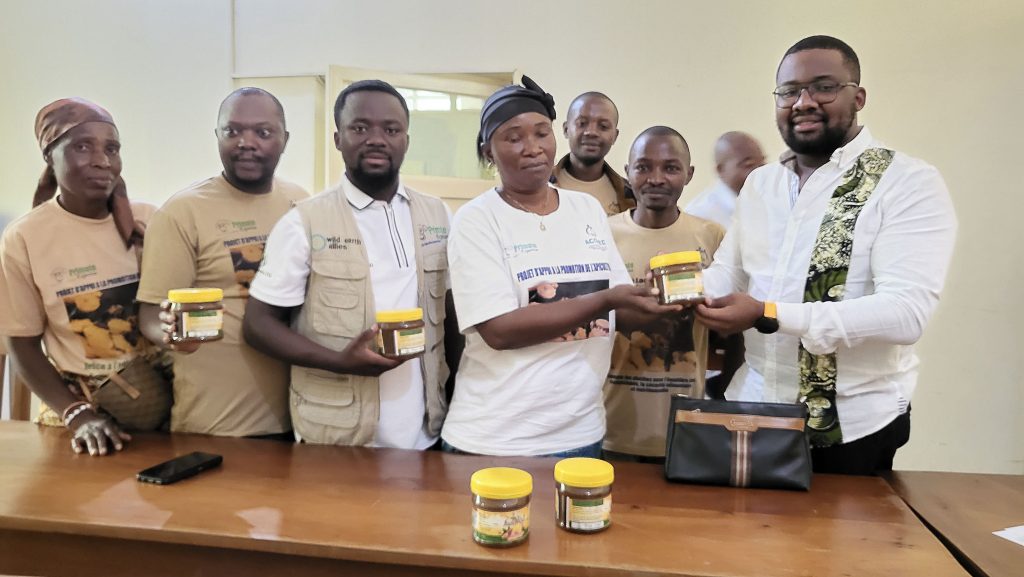
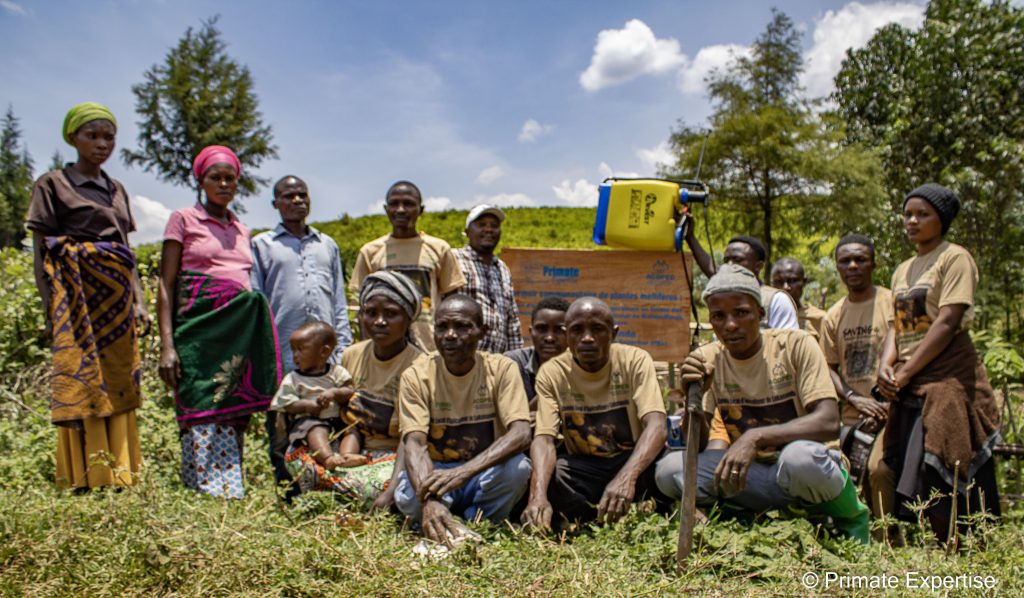
Our partnership with the Action Communautaire pour la Promotion de l’Environnement et le Développement Durable (ACOPED) around Kahuzi-Biega National Park illustrates how biodiversity can support the local economy:
- Honey Promotion: ACOPED, through its local beekeeping committees, has put 157 kgs of its first packaged honey on the market for commercialization.
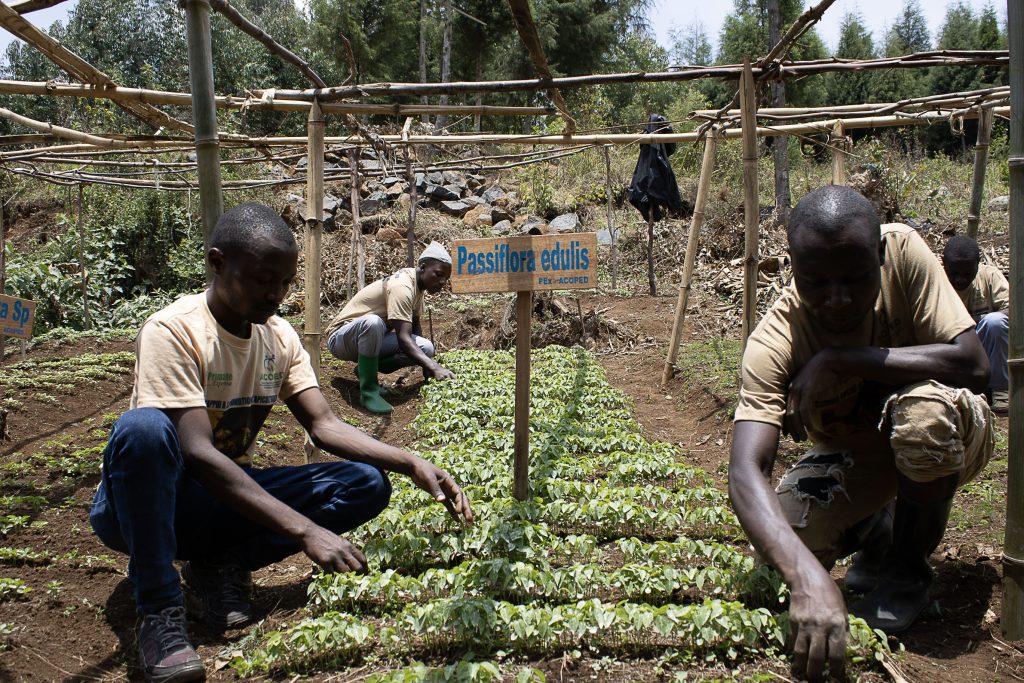
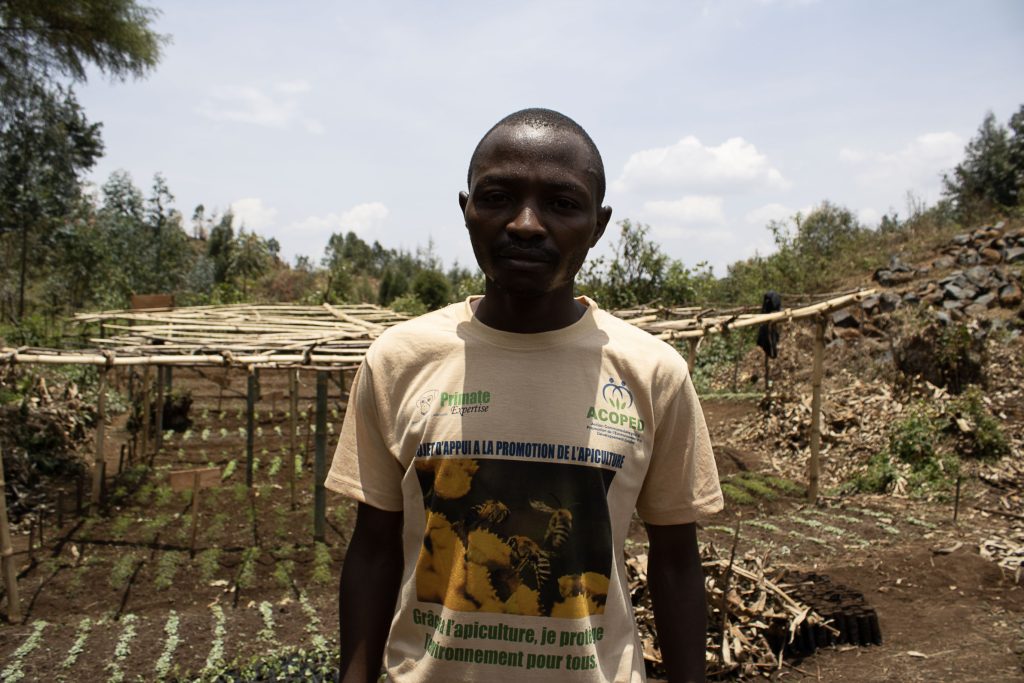
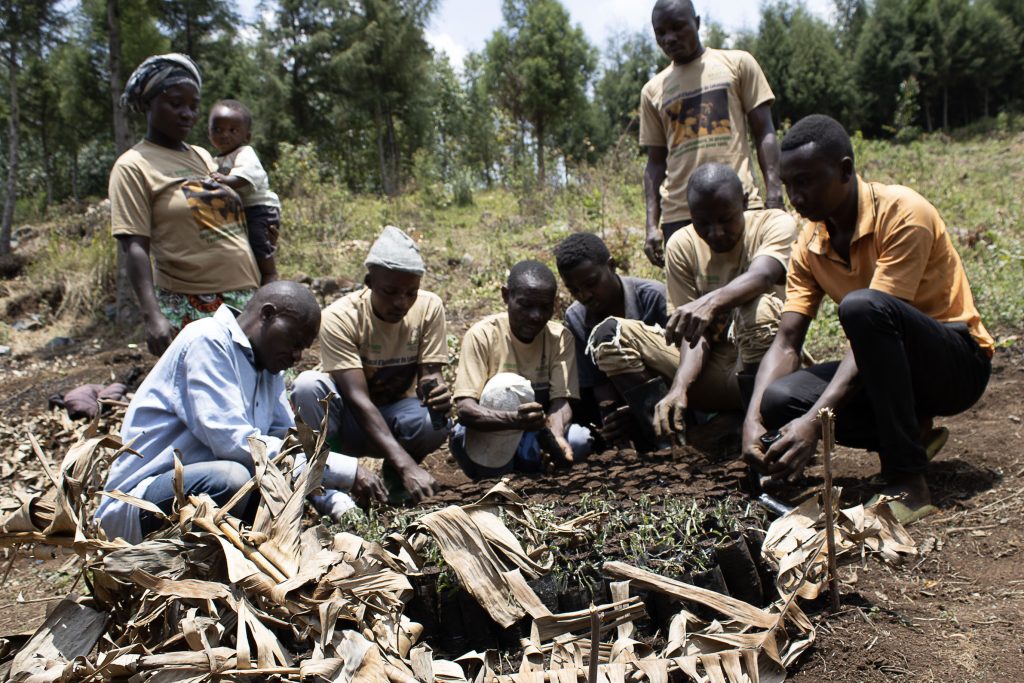
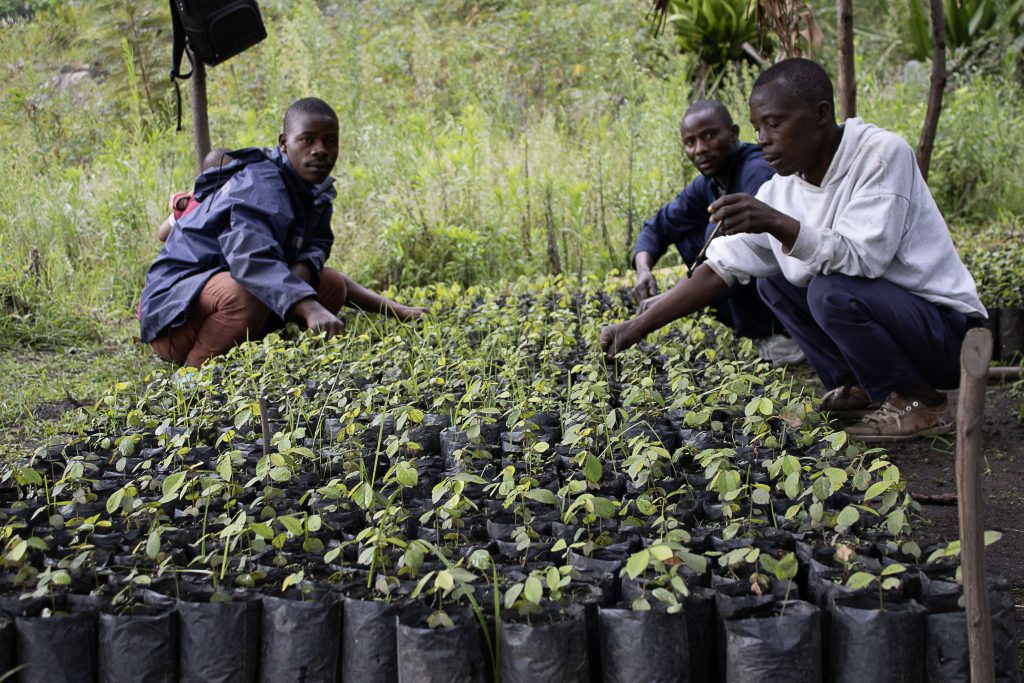
- Supporting Biodiversity: Maintaining nurseries of nectar- and pollen-producing plants provides a vital energy source for bees, contributing to honey production and ecosystem health. Primate Expertise and Wild Earth Allies reaffirm their support for and pride in this successful partnership.
3. Economic Empowerment of Women on the island of Idjwi
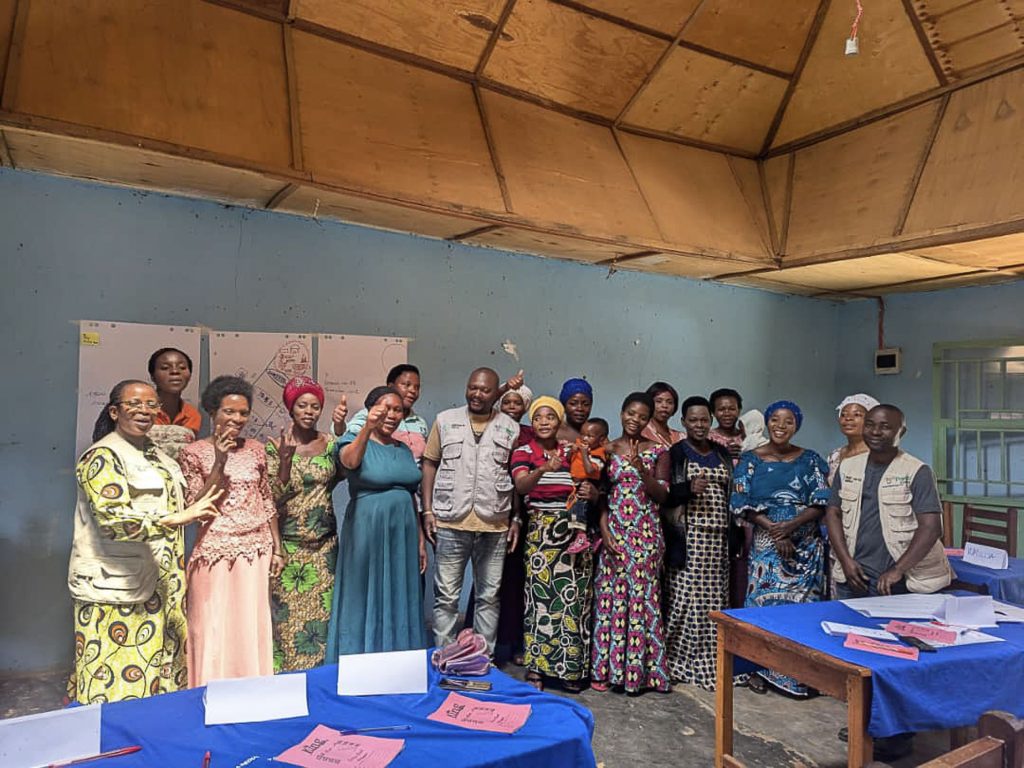
Recognizing women as powerful drivers of the family economy, crucial training was provided on Idjwi:
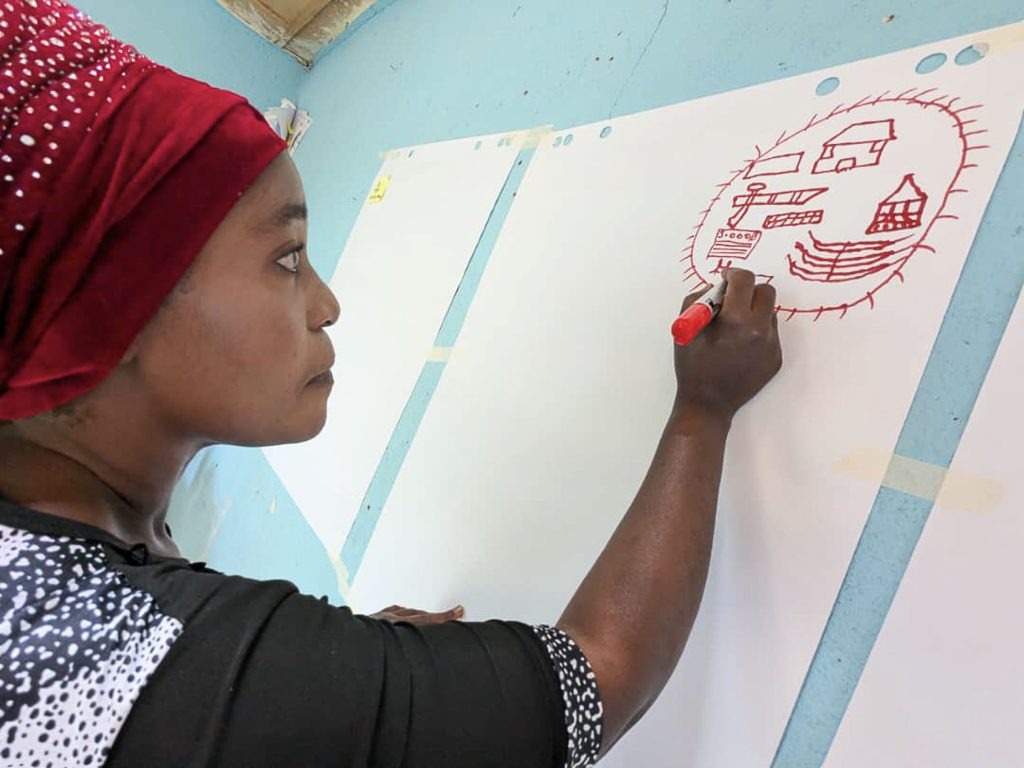
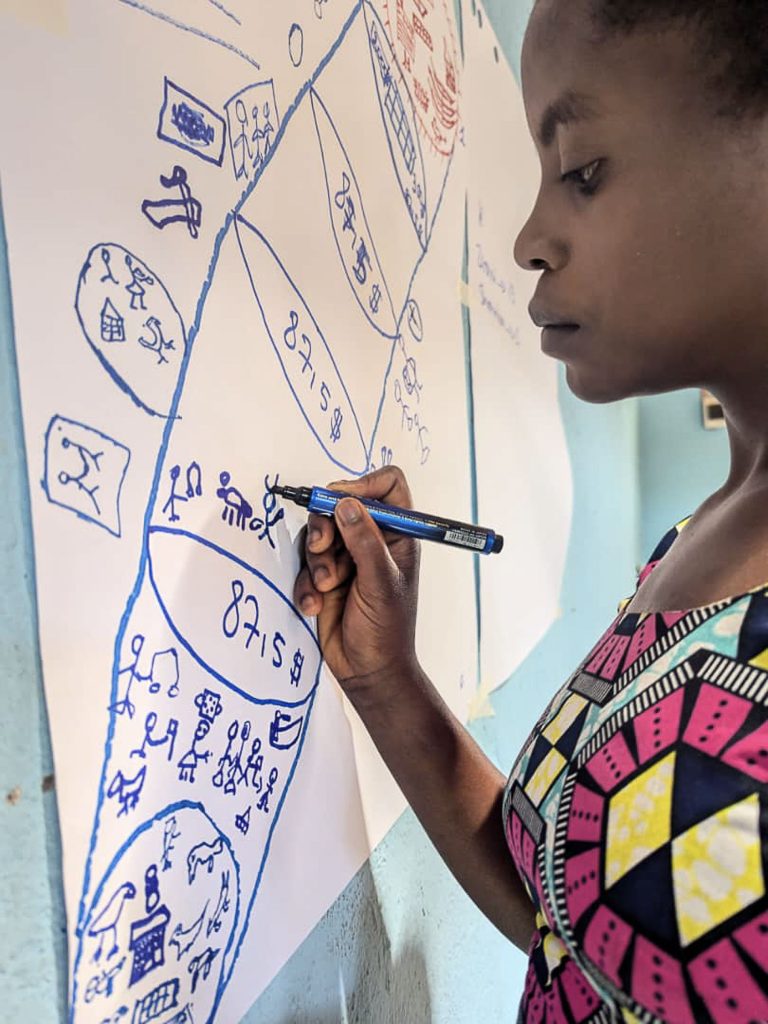
GALS Training: Women active in small businesses were trained in the Gender Action Learning System (GALS) approach. This method aims to create a structured economic vision, preparing the ground for the initiation of new livelihoods that engage men and women as agents of change for the benefit of the Idjwi Nature Reserve.
CONSERVATION AND MANAGEMENT OF PROTECTED AREAS
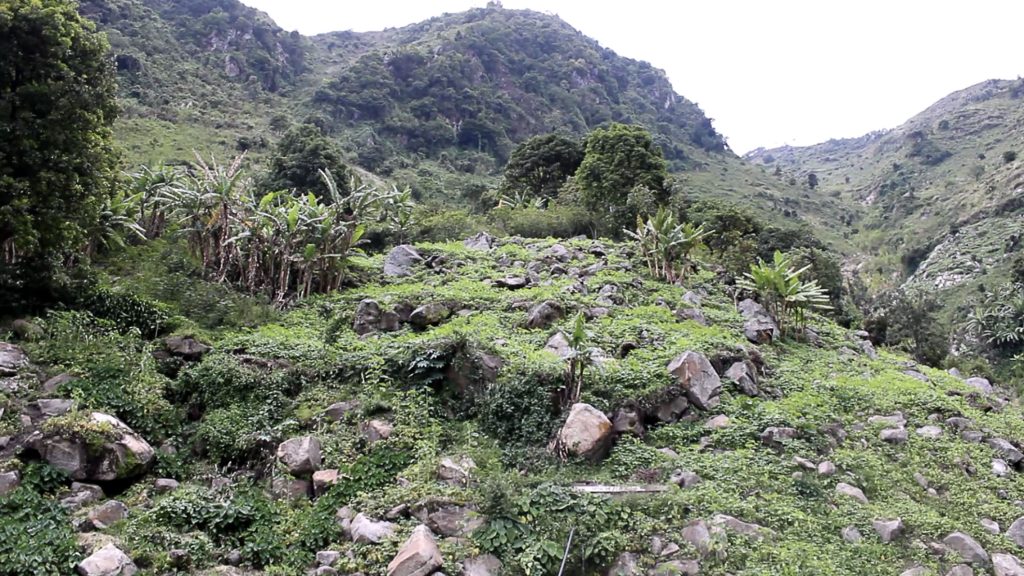
1. Towards a Thorough Scientific Understanding of the Idjwi Blue Monkey
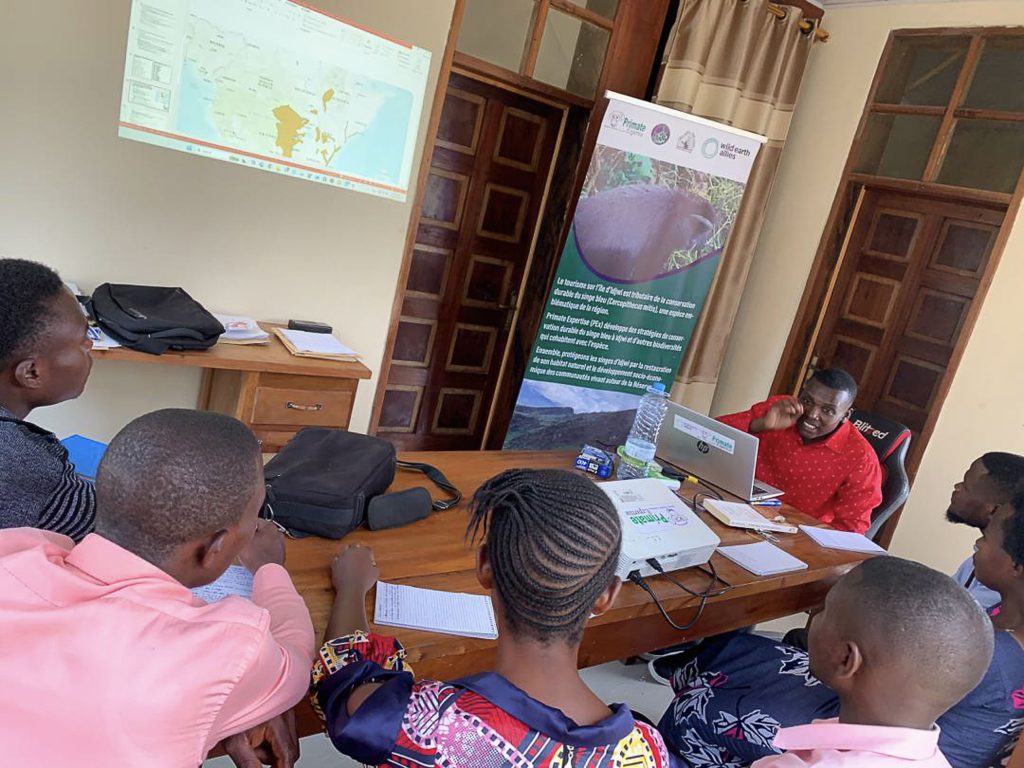
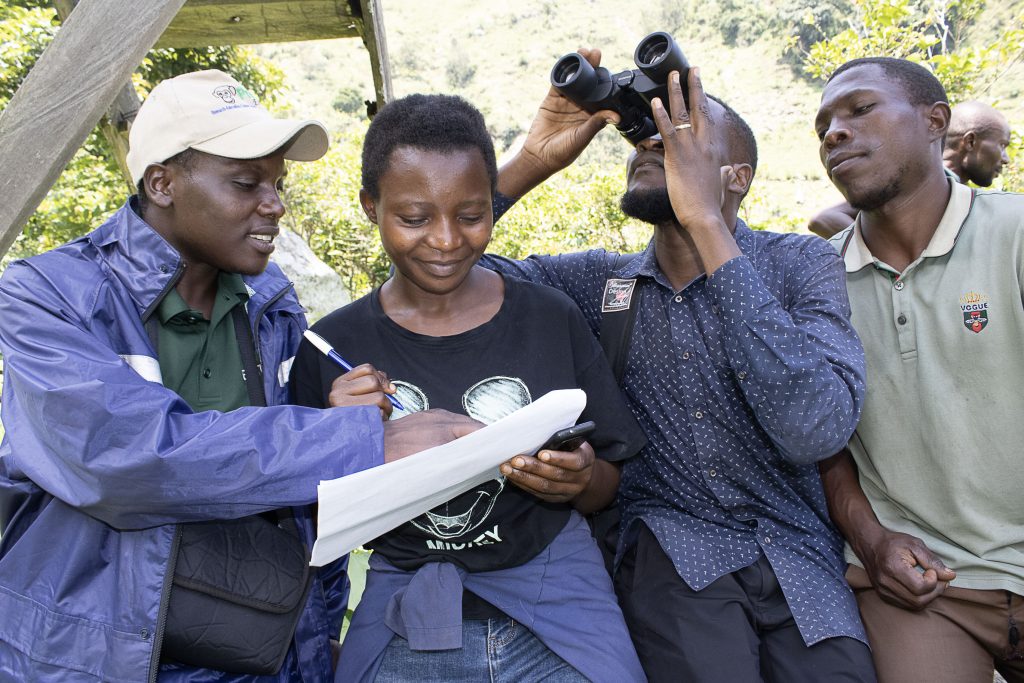
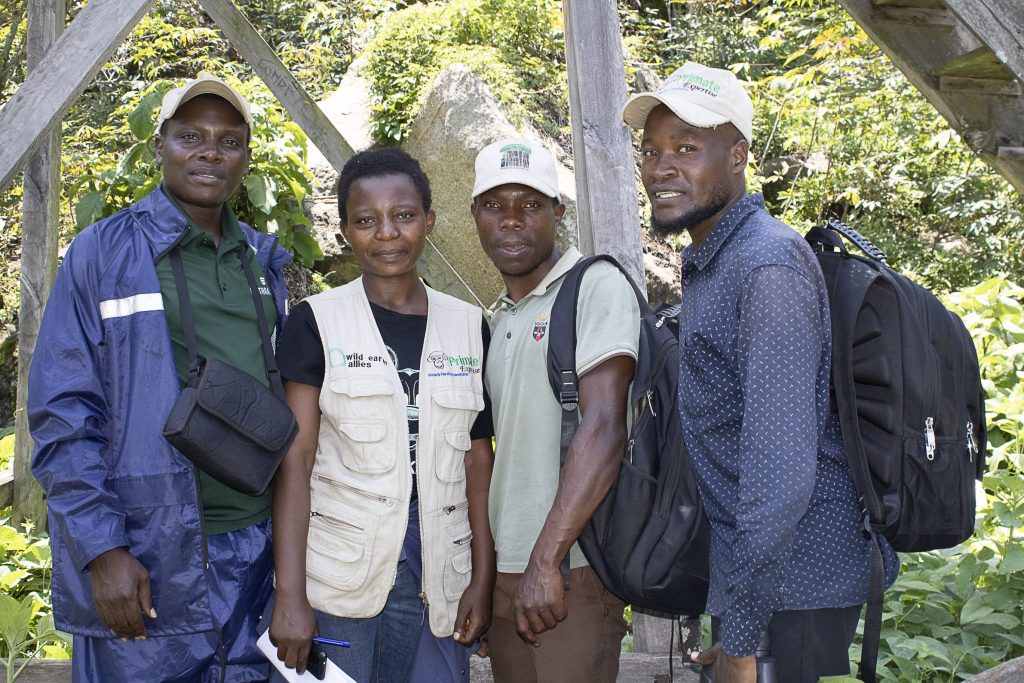
We are improving the scientific knowledge, strengthening the conservation of the blue monkey of Idjwi Nature Reserve, and continuing the vision of the late Professor Augustin K. Basabose regarding this primate. The blue monkey (Cercopithecus mitis) has a major ecological asset in this environment. Primate Expertise has therefore strengthened its research team by recruiting and training three people, including two local guides and a scientific assistant.
Objective: To ensure an optimized monitoring of the blue monkey, an endangered and scientifically under-documented species on Idjwi, embodying the commitment of Primate Expertise and Wild Earth Allies to promote the conservation of local biodiversity based on scientific knowledge.
2. The Blue Monkey: Symbol of Unity and Vital Resource
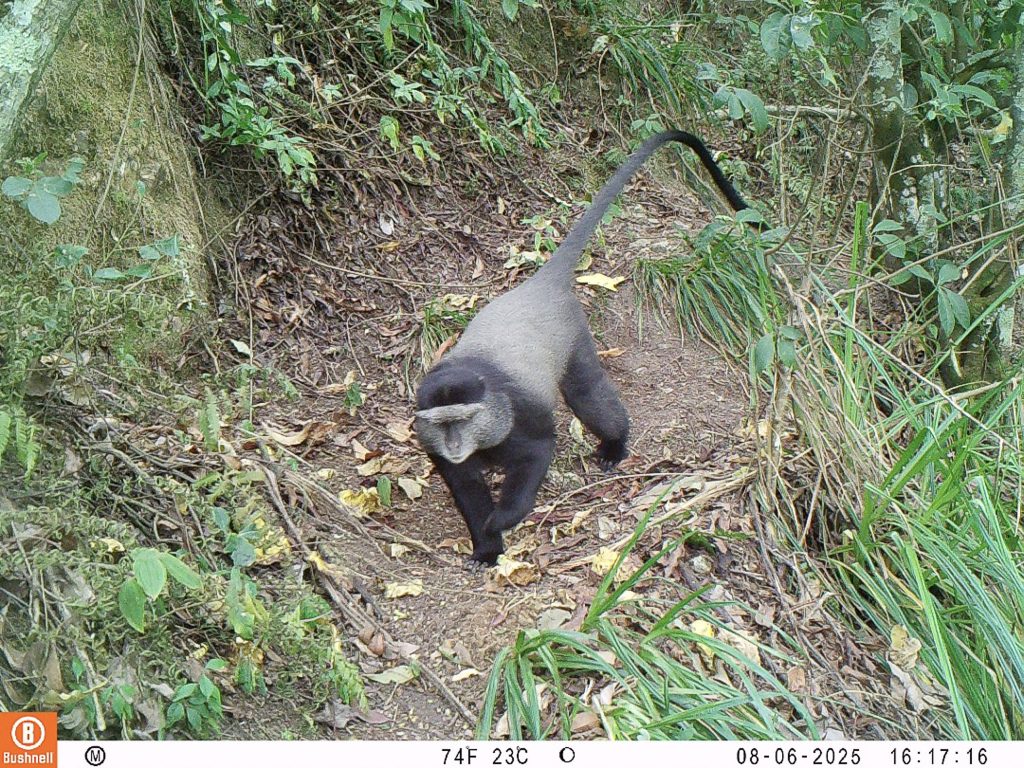
The blue monkey of the Idjwi Nyamusisi Nature Reserve is more than an emblematic species; it is a factor of unity and well-being for the communities of two chiefdoms that make up the territory of Idjwi:
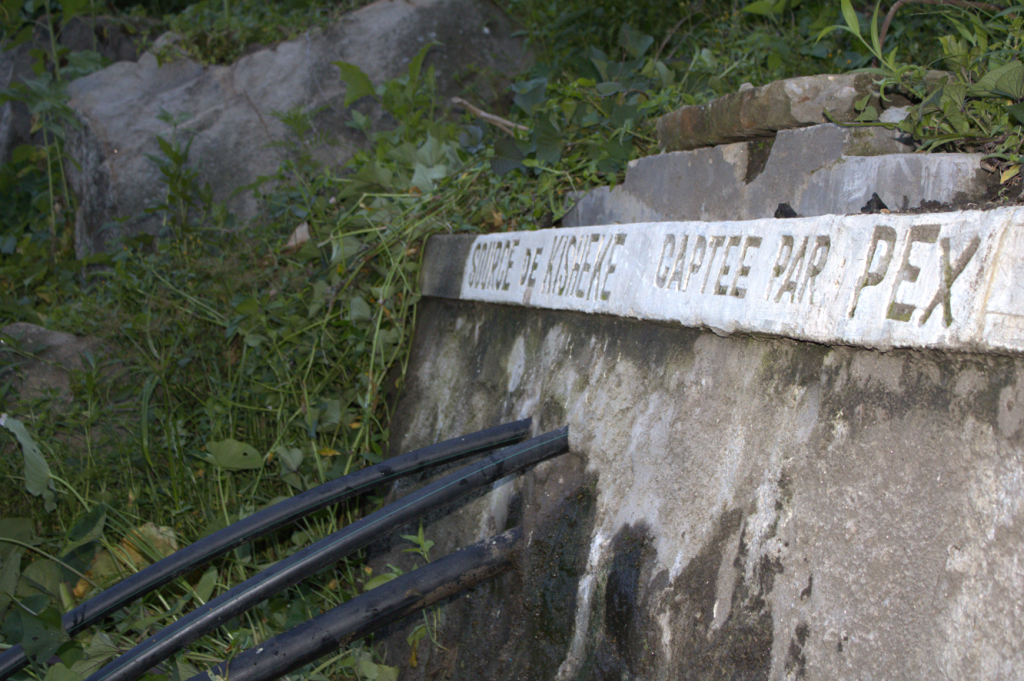
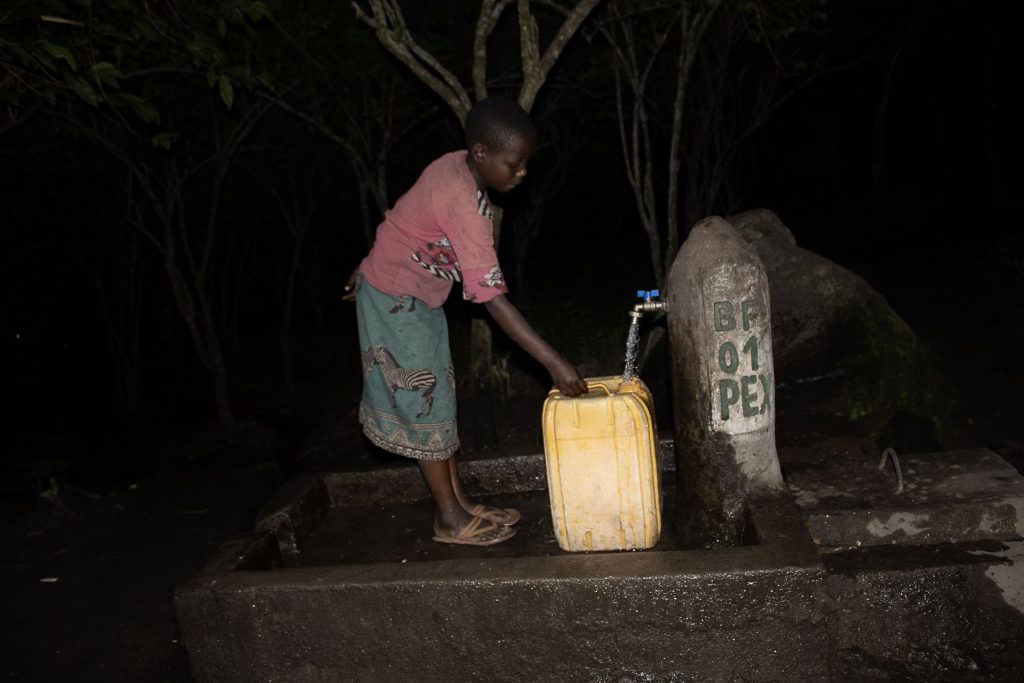
Drinking Water: Pure water emanating from the rocks of the reserve (Ntambuka Chiefdom) is captured by Primate Expertise to supply drinking water to households in the village of Kisheke (Rubenga Chiefdom) located near the habitat of the blue monkey.
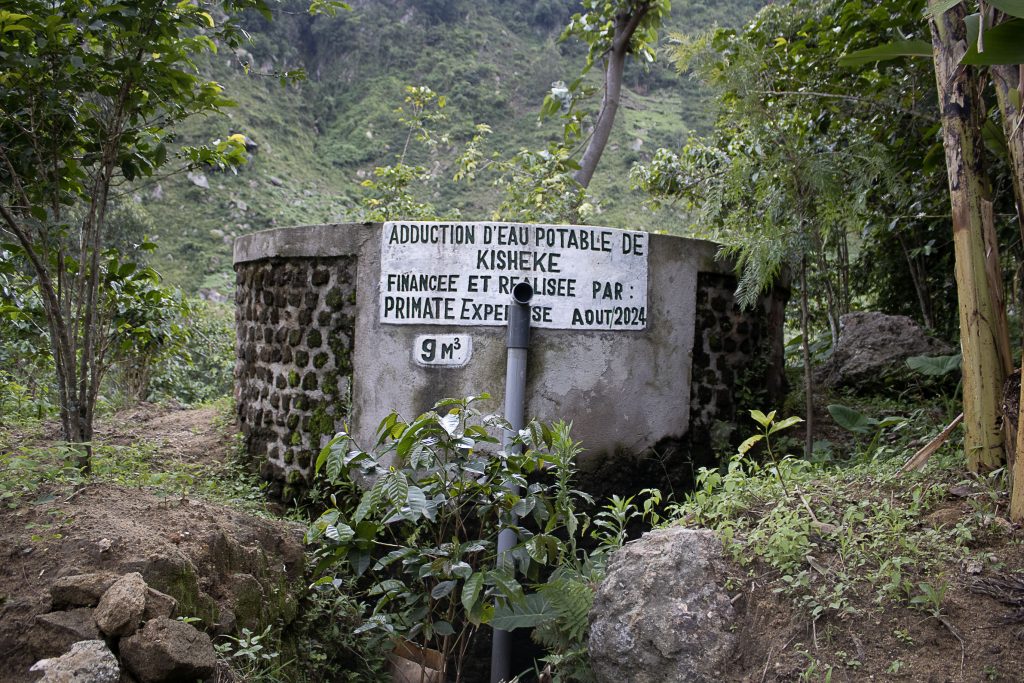
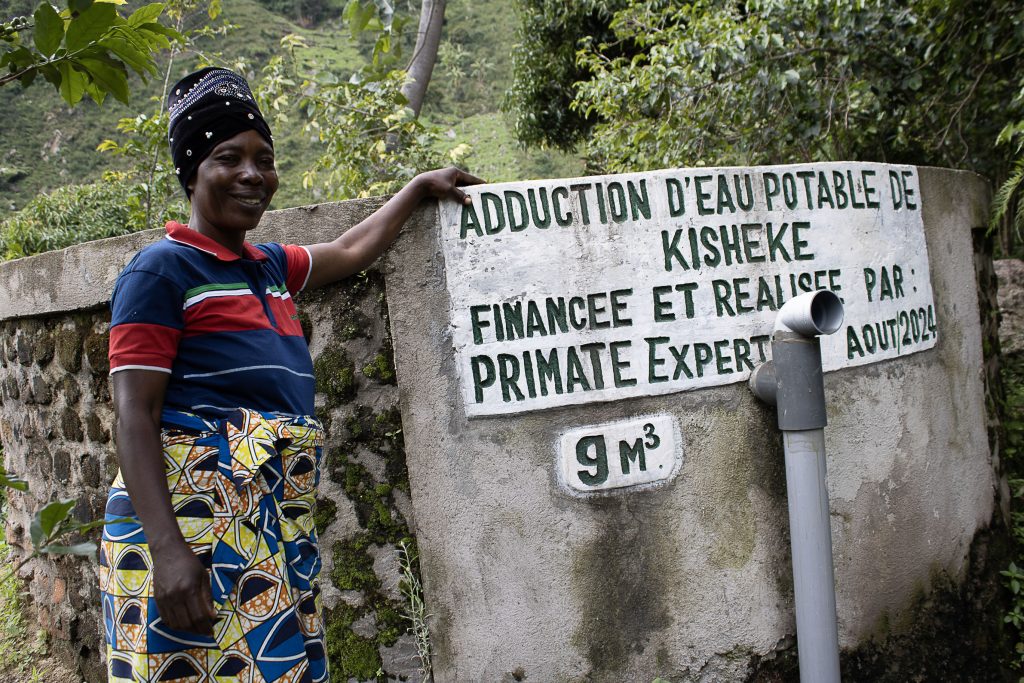
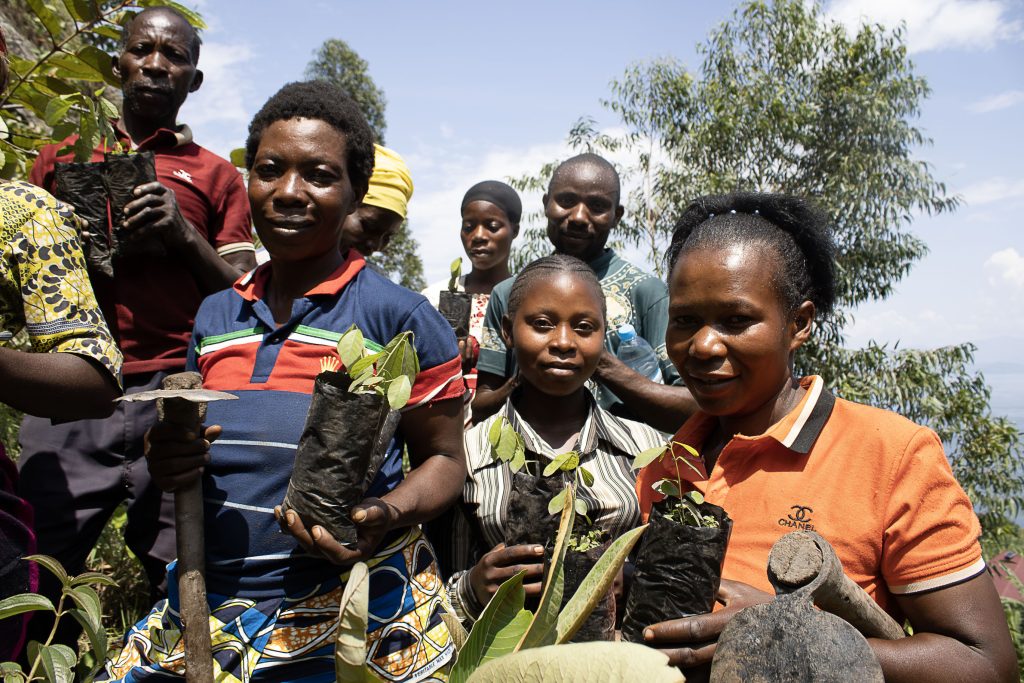
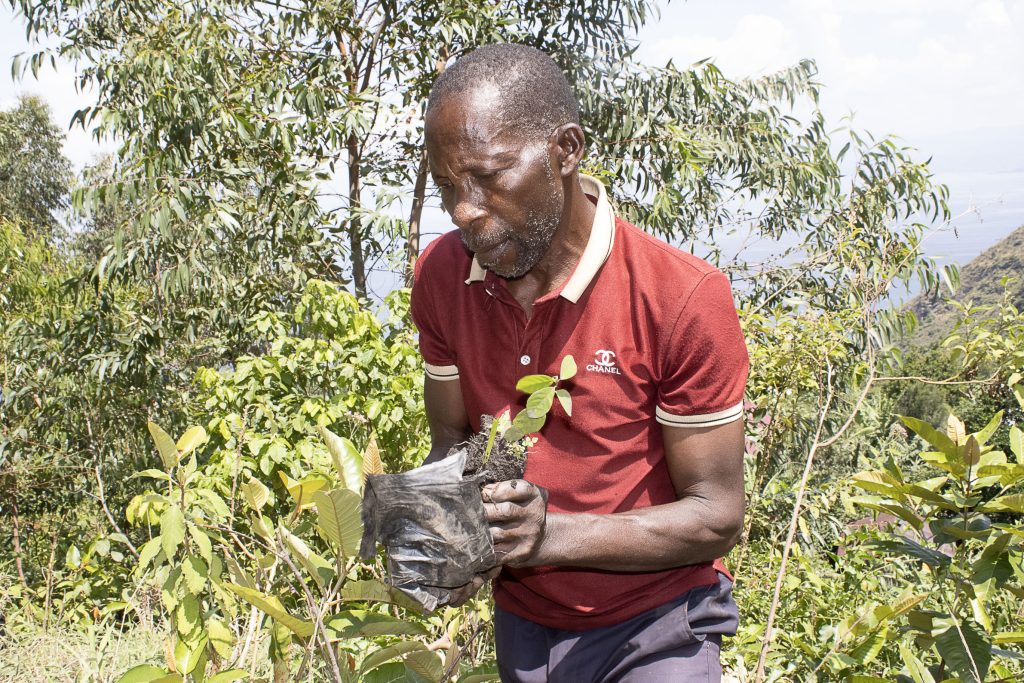
Inter-Chiefdom Collaboration: The communities of the Rubenga and Ntambuka chiefdoms are actively collaborating with Primate Expertise and Wild Earth Allies in the protection of the blue monkey and the restoration of degraded areas in and around its habitat, signifying their commitment to conservation efforts.
III. ECOLOGICAL RESTORATION AND DEVELOPMENT
The Bamboo Project: A Multifunctional (All-in-One) Solution
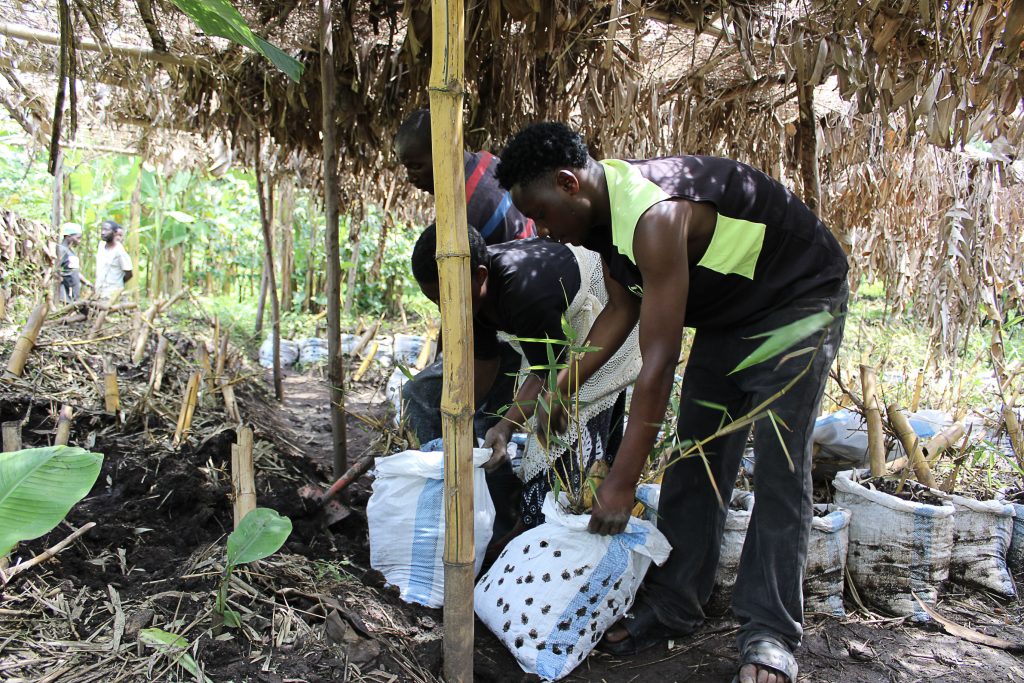
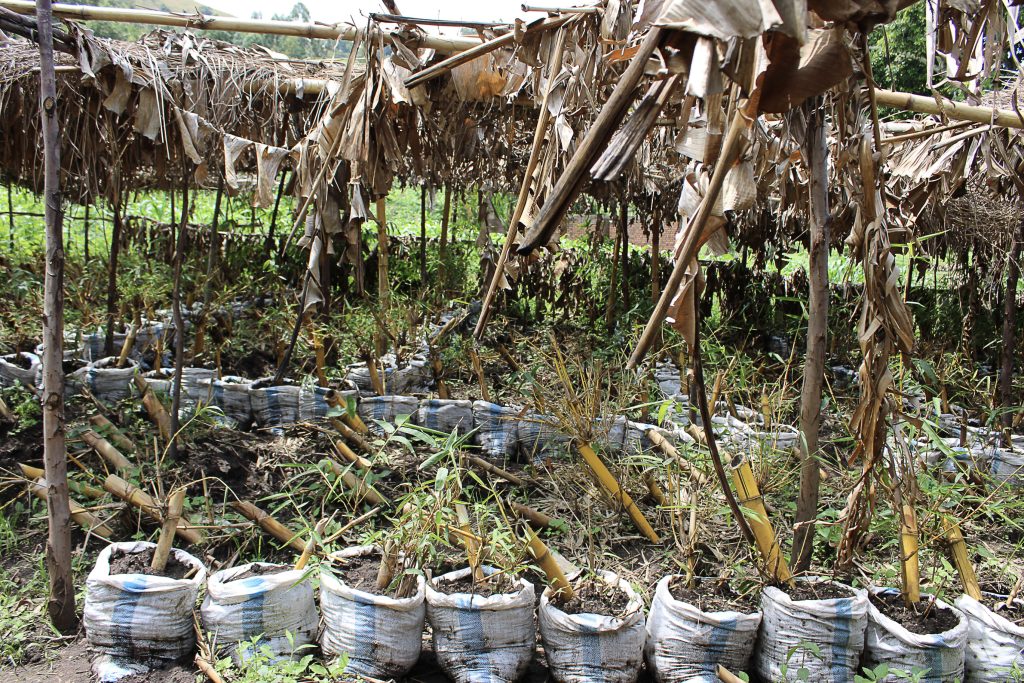
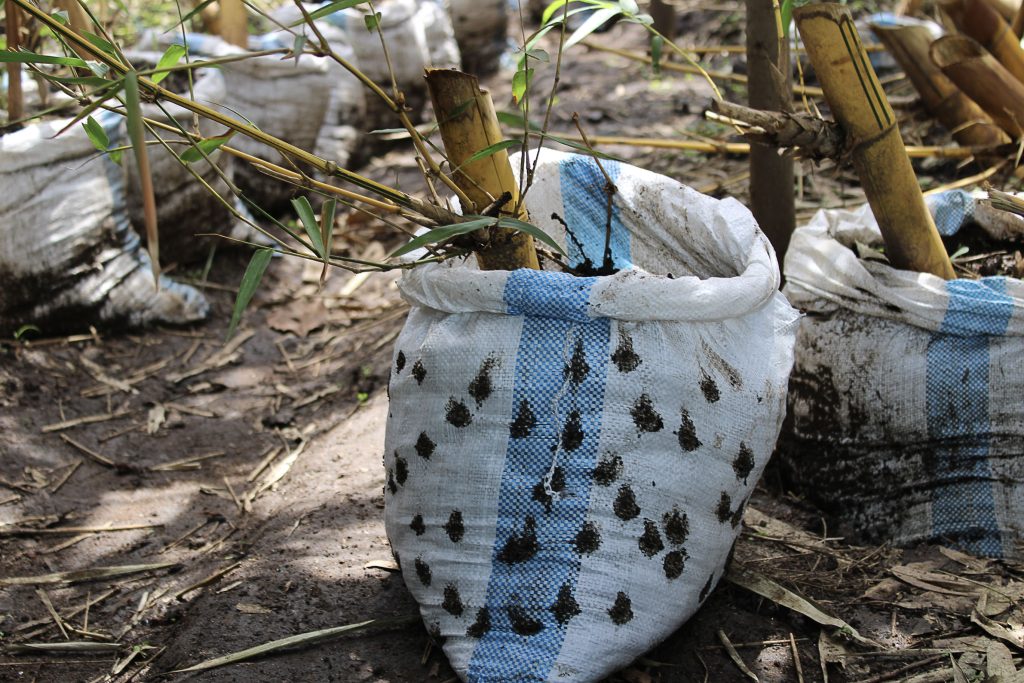
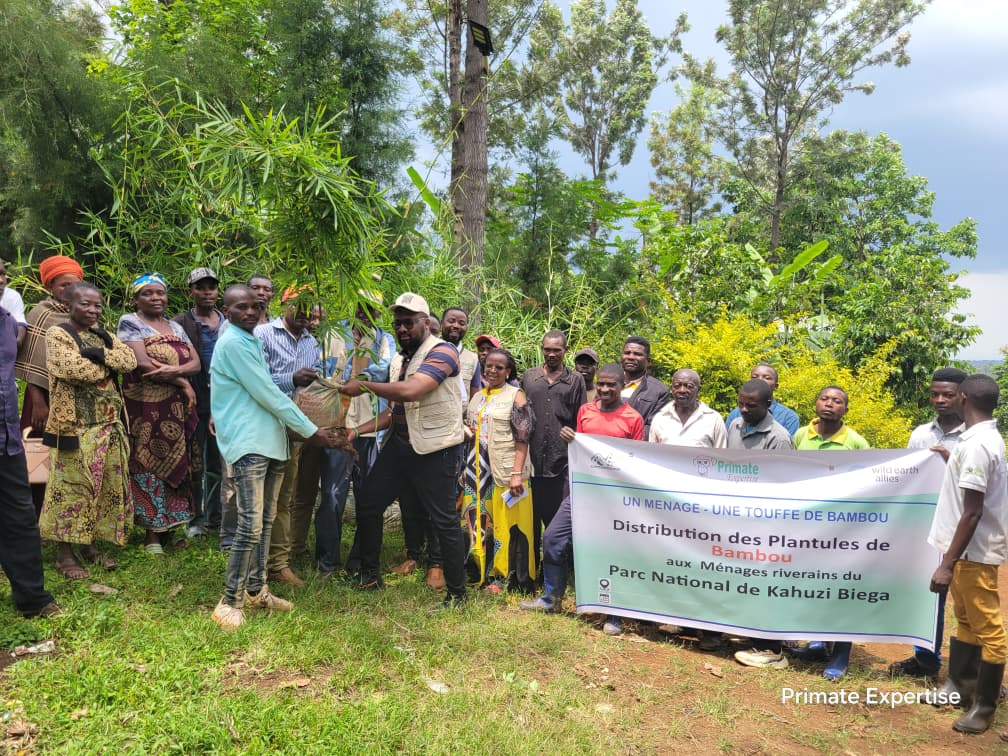
Conducted in partnership with Wild Earth Allies on Idjwi island, Kahuzi-Biega National Park, and Nyagezi, the Bamboo Project is a model of integration. It aims to restore degraded areas around and within the park and nature reserves using bamboo plants. Beyond providing habitat for Grauer’s gorillas, bamboo helps to:
- Protect aquatic ecosystems from erosion by restoring fish banks.
- Restore the habitat of the Idjwi blue monkey.
- Strength household economies through handicrafts
The project stakeholders commit to continuing the restoration of degraded areas in and around protected areas and reserves.
IV. INVESTING IN YOUTH: Environmental Ambassadors
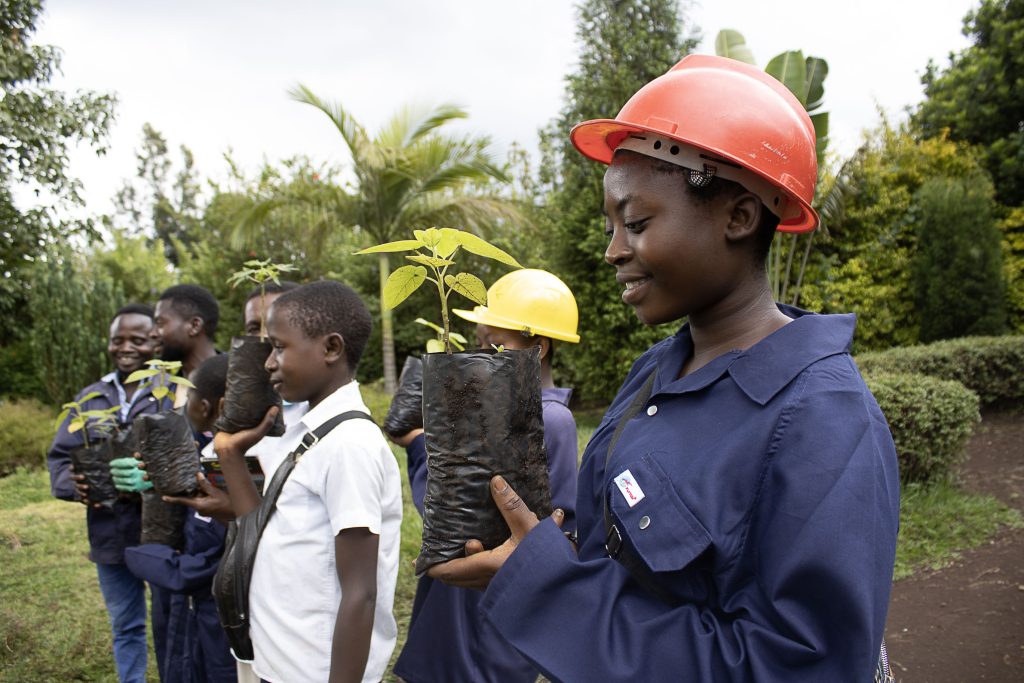
The future of the environment depends on the education of young people.
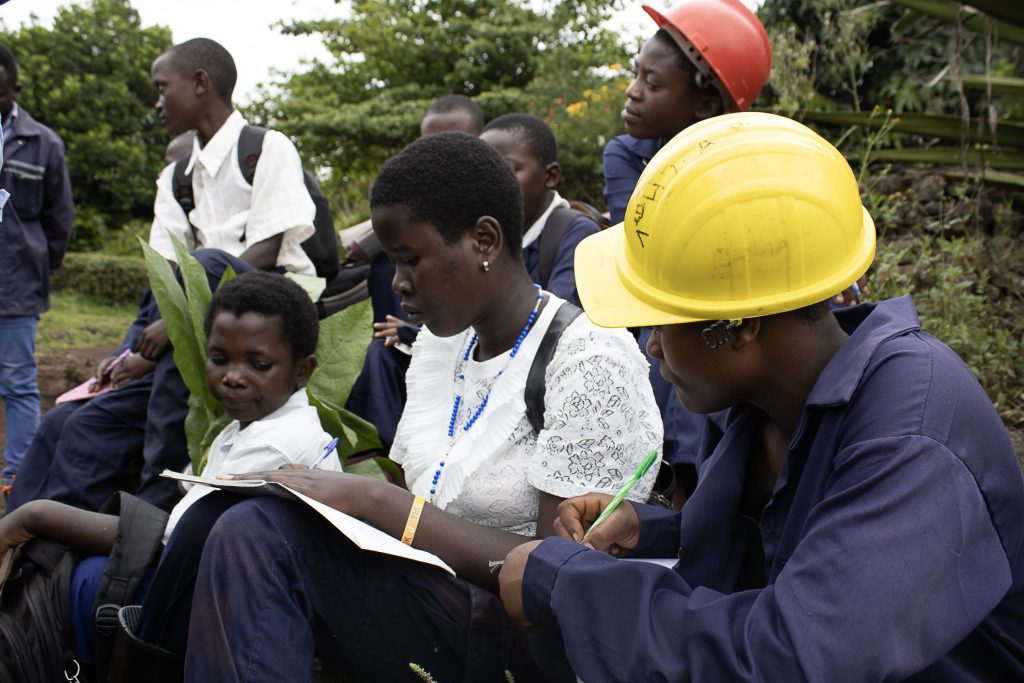
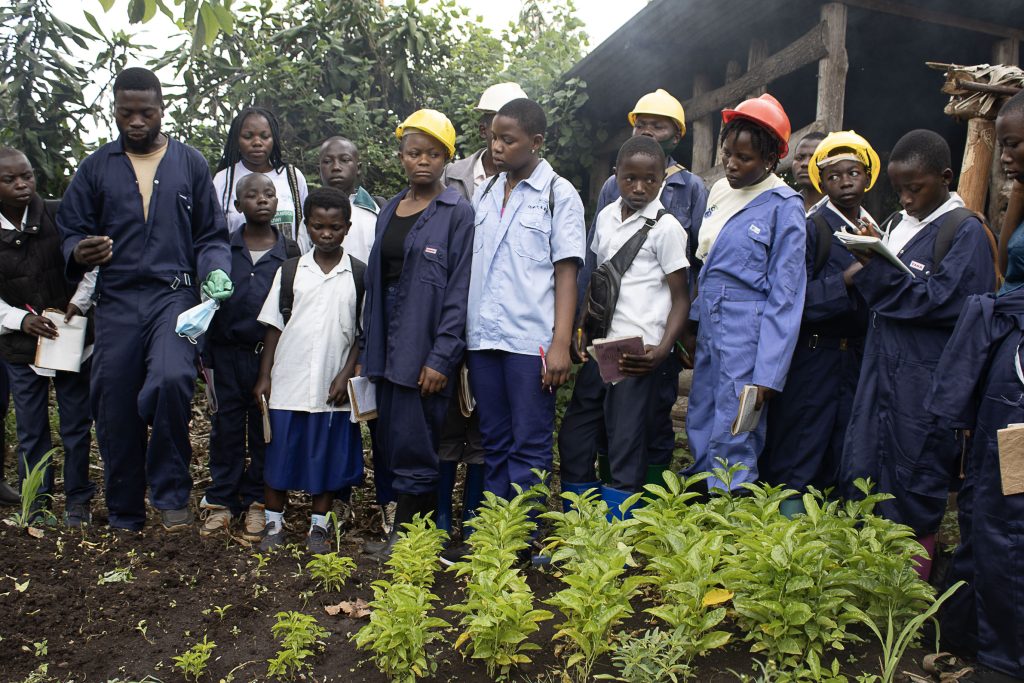
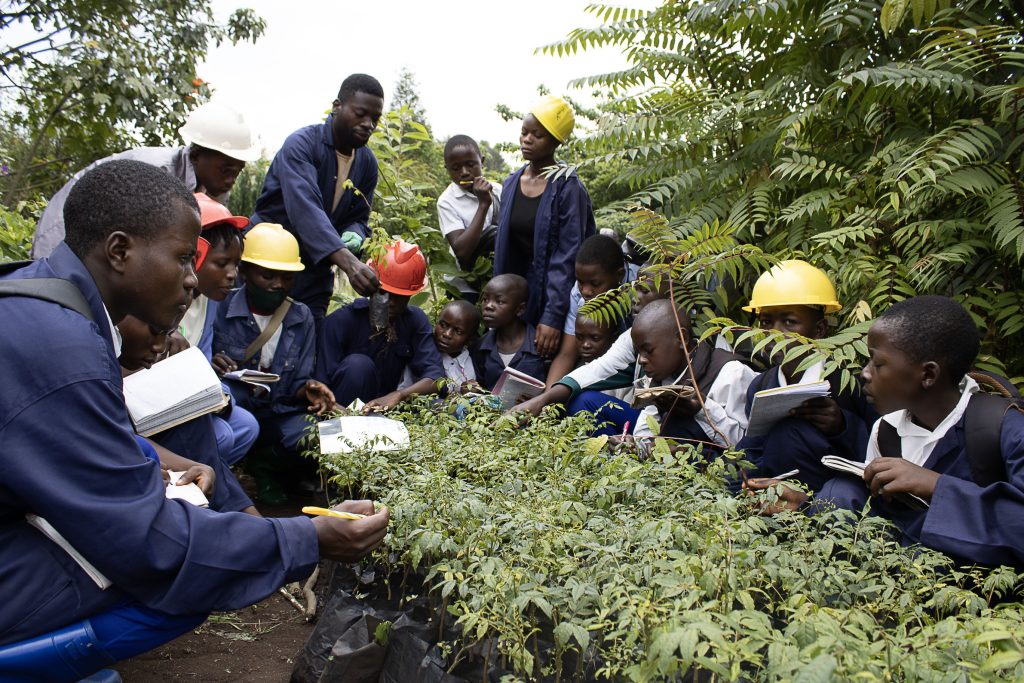
Primate Expertise’s Environmental Education program welcomed teenagers from the LA DIFFERENCE II School Complex in Katana for a scientific visit to our central nursery in Lwiro, near Kahuzi -Biega National Park. Each student received a fruit tree seedling to plant at home, thus spreading the message of conservation throughout their respective households.
CONCLUSION
We are grateful for your continued support for Community-centered conservation of protected areas. Help us achieve our goal: Share this newsletter on your networks! The impact of every share makes a real difference on the ground. Thank you for being part of our community.